


Public content routes are now live
Pricing, features, blog, tutorials, use cases, and collections are now full content pages with five locales, canonical URLs, hreflang, and JSON-LD.
A clearer reference image workflow
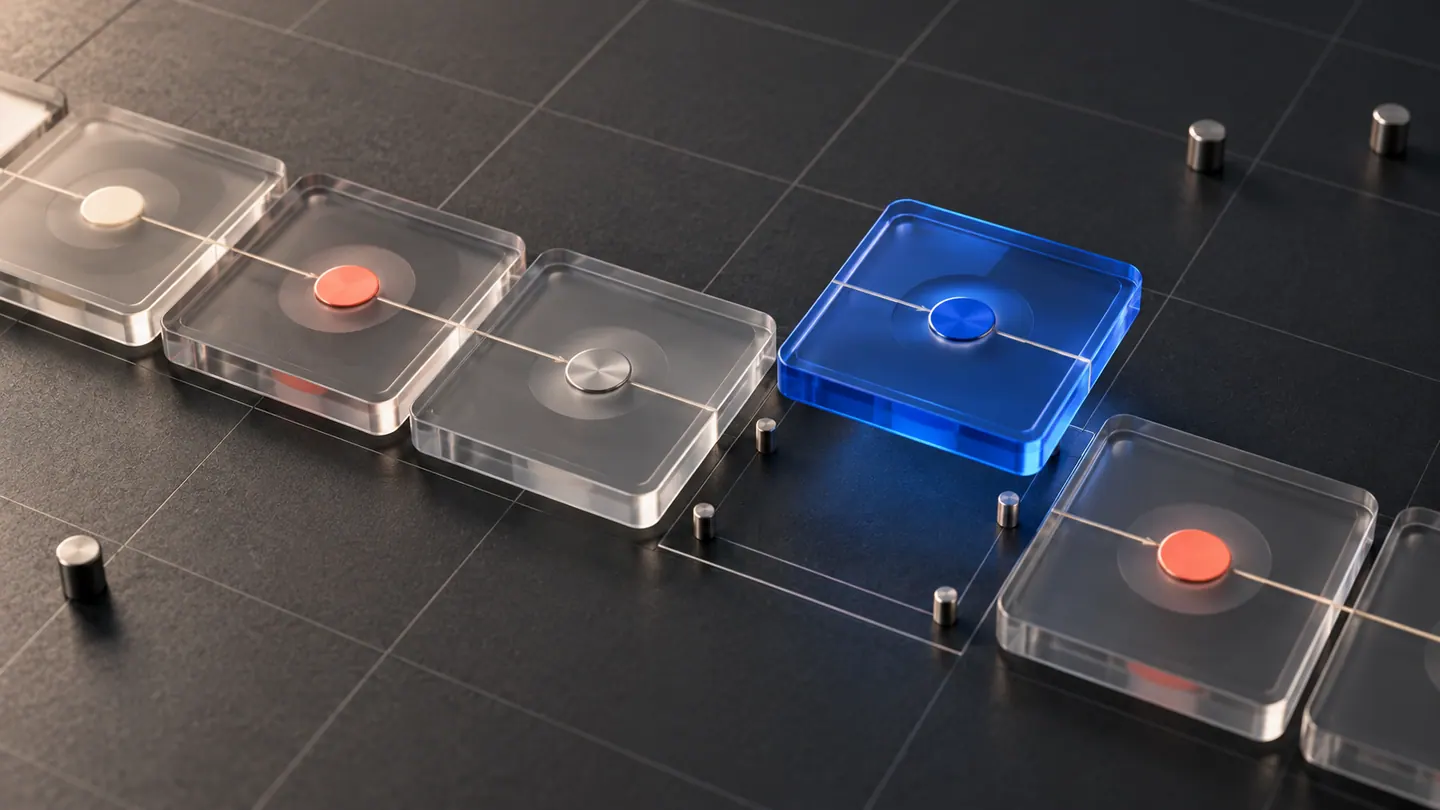
The public guide now explains the seven-image input boundary, how to assign each reference a role, and how to send a canvas result back into chat.
The canvas is a continuing workspace
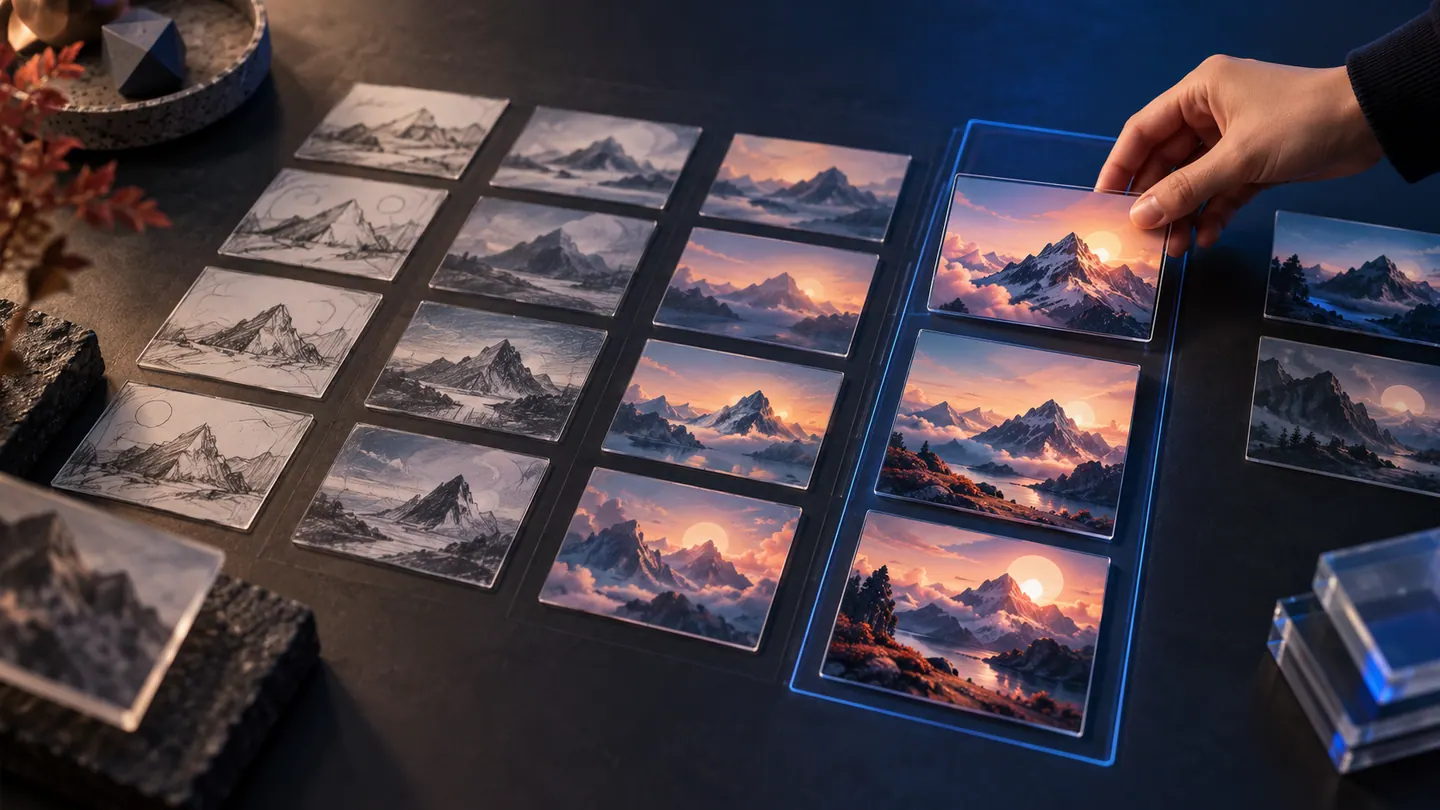
Generated results can be moved, scaled, flipped, and compared on one canvas, then reused as the basis for another round.
Finishing tools connect to delivery
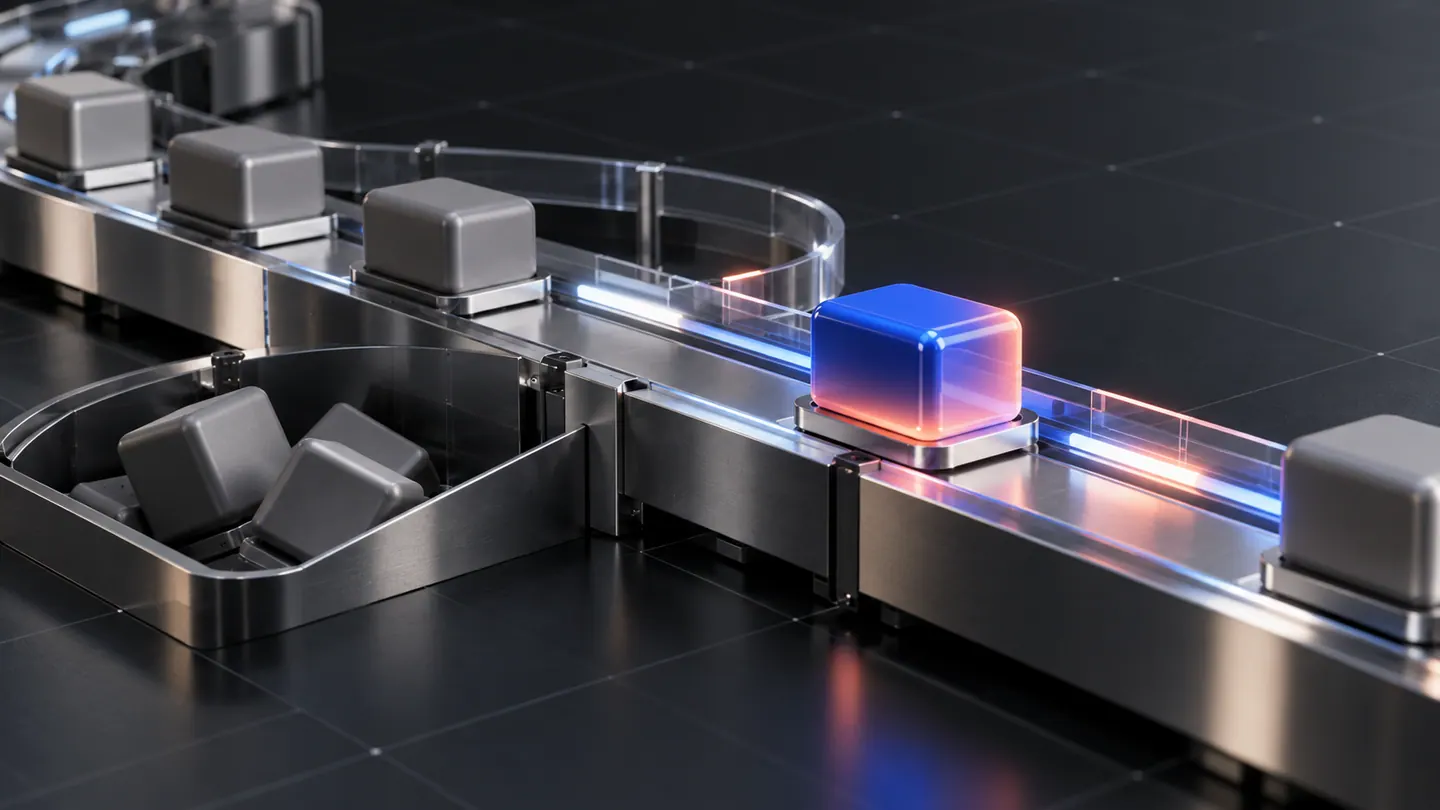
Background removal, upscaling, vector conversion, and original downloads now sit in one path from exploration to handoff.
Public content and locale routes
Pricing, features, docs, changelog, news, collections, blog, tutorials, and use cases now have stable public routes with canonical URLs, hreflang, Open Graph, and JSON-LD.
Usage context before generation
The pricing page explains how credits, generations, and projects relate, so you can check the current cost before starting an exploration.
A defined reference image boundary
The feature and docs pages record the seven-image PNG, JPEG, or WebP boundary and the paths for dragging or sending a canvas image into chat.
Canvas and project continuity
Generated results can be moved, scaled, flipped, and compared on an infinite canvas, then returned to chat for another edit.
Finishing tools for handoff
Background removal, upscaling, vector conversion, and original downloads now have clear roles in the path from exploration to delivery.
A linked route from search to studio
Blog posts, tutorials, use cases, and collections link back to features and the studio, so a visitor can keep learning without losing the next action.